
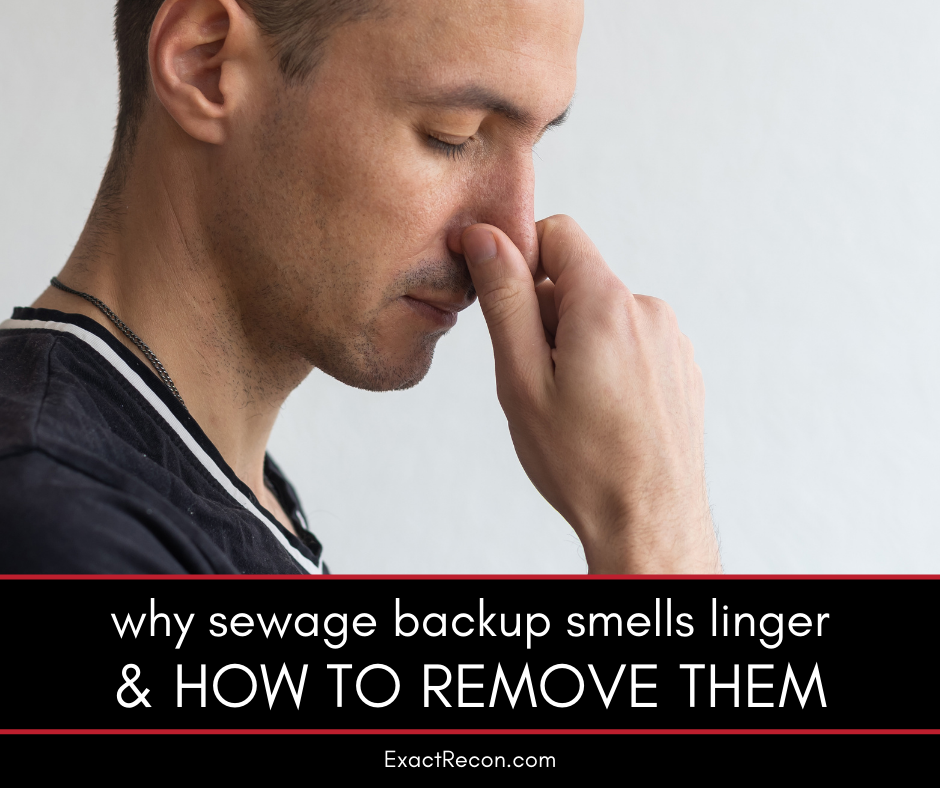
A sewage backup doesn’t just leave visible mess behind—it also leaves behind strong, unpleasant odors that can last long after the water is gone. These smells signal contamination and hidden issues that need to be addressed quickly.
Why Sewage Backup Smells Linger and How to Remove Them
Sewage is considered “black water,” meaning it carries harmful bacteria and waste. Even after cleanup, odors may remain if contamination seeps into porous materials or air systems. This guide explains the following:
-
Why sewage odors are so persistent
-
Where sewage smells often linger
-
Health risks tied to lingering odors
-
Steps to reduce sewage smells at home
-
When to call professionals for odor removal
Here’s a closer look at each.
Why Sewage Odors Are So Persistent
Sewage contains organic matter that breaks down and produces gases like hydrogen sulfide, methane, and ammonia. These gases create strong, foul smells that cling to surfaces and penetrate building materials.
The Centers for Disease Control and Prevention warns that sewage also carries dangerous bacteria and viruses, which makes lingering odors more than just unpleasant—they’re a sign of possible contamination.
Where Sewage Smells Often Linger
Even after water removal, odors may hide in:
-
Carpets, rugs, and upholstery
-
Drywall and insulation
-
Subflooring and wooden beams
-
Air ducts and HVAC systems
-
Basements where moisture collects
These hidden spots can keep releasing smells until they’re properly cleaned or replaced.
Health Risks Tied to Lingering Odors
Lingering sewage odors don’t just smell bad—they can make you sick. Breathing in gases or being exposed to contaminated surfaces can cause nausea, headaches, or respiratory issues. The risks are higher for children, older adults, and anyone with asthma or allergies.
Steps to Reduce Sewage Smells at Home
If the backup was small and contained, you may be able to reduce odors by:
-
Running fans and dehumidifiers to dry the space
-
Cleaning hard surfaces with disinfectants
-
Disposing of contaminated carpets, padding, and fabrics
-
Using baking soda or activated charcoal to absorb odors
Always wear gloves and a mask during cleanup, and avoid handling contaminated items without protection.
When to Call Professionals for Odor Removal
If odors linger after basic cleaning, it means contamination remains. Professional crews use industrial deodorizers, air scrubbers, and disinfectants to remove sewage smells at the source.
They can also replace unsalvageable materials and handle larger disaster cleanup and reconstruction if needed.
FAQ About Sewage Backup Smells
Check out these commonly asked questions about sewage backup smells. If you don’t see your question here, please call our office and we’ll find you the answers you need.
Why Does My House Still Smell after a Sewage Backup?
Odors often linger because sewage particles soaked into porous materials like wood, carpet, or drywall.
Can I Just Use Air Fresheners to Cover the Smell?
No. Covering odors won’t remove contamination. The source must be cleaned or removed.
How Long Do Sewage Odors Last?
Without proper cleaning, odors can last indefinitely. With professional treatment, they can often be removed within days.
Are Lingering Sewage Smells Dangerous?
Yes. According to the CDC, sewage exposure can cause stomach illness, infections, and respiratory irritation.
When Should I Call Professionals for Sewage Odors?
Call if odors remain more than a day or two after cleanup, or if they’re strong enough to make the home uncomfortable.
Sewage odors linger because waste and gases penetrate deep into materials and air systems. Acting quickly and calling professionals when needed ensures smells are removed at the source, restoring both safety and comfort to your home.
Do You Need a Disaster Remediation Expert in Washtenaw County or Jackson County?
If your home has already been damaged, we can help. Check out our services and call Exact Recon for your free disaster remediation quote today. We offer:
- Water damage restoration
- Fire damage restoration
- Mold removal and remediation
- Fire and smoke restoration
- Sewer cleanup and disinfecting
- Reconstruction
- Wind and storm damage repair


