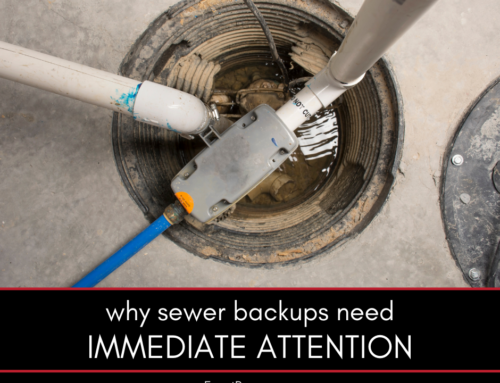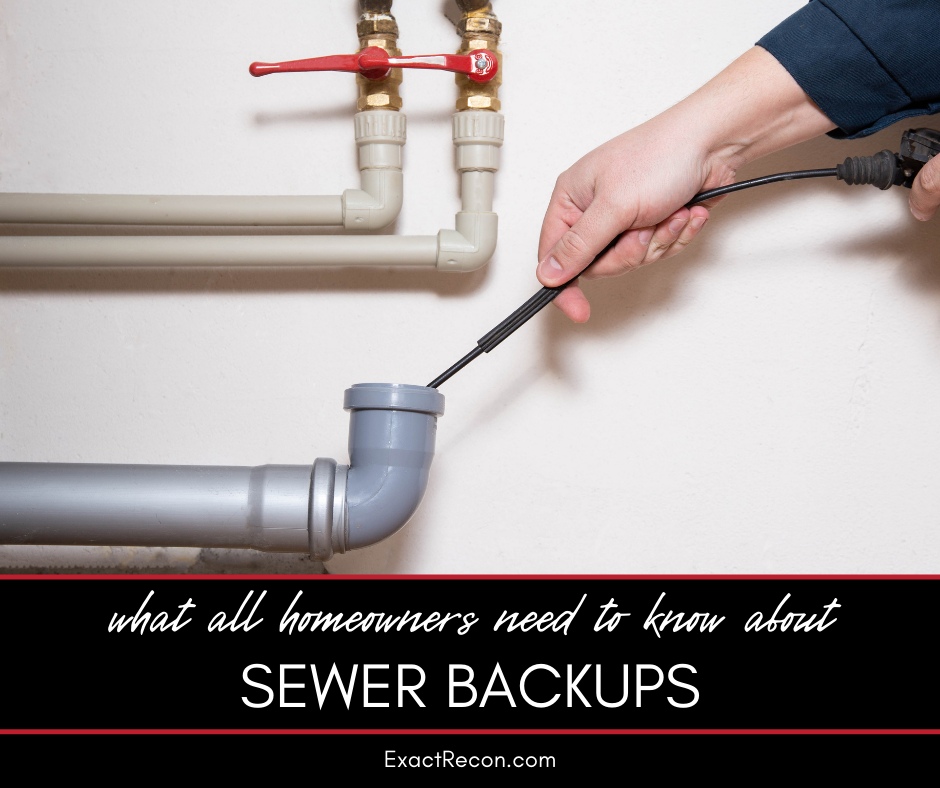
Owning a home is a dream for many, but it also comes with its set of challenges. One such challenge that can catch homeowners off guard is a sewer backup. It’s not just about the unpleasantness of the situation; it can lead to significant damage and health risks. Whether you’ve faced this issue before or are looking to be prepared, this guide is here to equip you with the knowledge you need. With our expertise, we’ll help you understand sewer backups, their causes, and how to deal with them.
What All Homeowners Need to Know About Sewer Backups
Sewer backups can be daunting, but understanding them can help you take preventive measures and act swiftly if they occur.
This guide covers:
- Common causes of sewer backups
- Signs of a potential backup
- Health risks associated
- Immediate steps to take
- Prevention and maintenance
- When to call professionals
Here’s a closer look at each.
Common Causes of Sewer Backups
Sewer backups can be a homeowner’s nightmare, and understanding the common causes can help in prevention. One of the primary reasons for a backup is clogged drains. This can be due to a buildup of grease, hair, and other debris that restricts the flow of water. Another common cause is tree root intrusion. As trees grow, their roots can penetrate the sewer lines, causing blockages. Over time, sewer lines, especially older ones, can collapse due to age, ground shifts, or other external pressures. Lastly, heavy rainfall can sometimes overwhelm the city’s sewer system. When the system can’t handle the influx of water, it can lead to backups into residential areas.
Signs of a Potential Backup
Detecting a sewer backup early can save a lot of hassle and potential damage. One of the first signs homeowners might notice is slow-draining sinks. This indicates a blockage somewhere in the system. Another sign is a gurgling noise coming from the toilets, indicating trapped air in the plumbing system due to a blockage. Additionally, if water starts pooling around basement floor drains, it’s a clear sign that water is backing up and not draining as it should.
Health Risks Associated
A sewer backup is not just a nuisance; it poses significant health risks. The water that backs up into your home is contaminated with bacteria, viruses, and other pathogens. Coming into contact with this water can lead to various illnesses, including gastrointestinal problems and skin infections. It’s of utmost importance to avoid any direct contact with the backed-up water. After the water is removed, thorough cleaning and disinfection of the affected areas are necessary to eliminate any lingering pathogens.
Immediate Steps to Take
If you notice signs of a sewer backup, immediate action can help mitigate the damage. First and foremost, refrain from using water fixtures like sinks, showers, and toilets. This ensures that no more water goes into the already backed-up system. Turning off the main water supply can further prevent water flow into the drains. Ensure the safety of all household members, especially children and pets, by keeping them away from the affected areas.
Prevention and Maintenance
Preventing sewer backups is always better than dealing with one. Regular inspections of your sewer lateral can help detect potential issues before they become major problems. Cleaning it ensures that blockages are cleared before they can cause backups. It’s also essential to be mindful of what goes down the drain. Avoid flushing items that don’t degrade easily, such as wipes, diapers, and feminine hygiene products. Installing a backwater prevention valve can also be beneficial. This valve allows sewage to go out but prevents it from coming back into your home.
When to Call Professionals
While some minor blockages can be handled with home remedies, a full-blown sewer backup requires professional intervention. Professionals have the necessary equipment and expertise to assess the situation, remove the backed-up water, clean, and disinfect the affected areas. We also ensure that the root cause of the backup is addressed, providing you with peace of mind that your home is safe and restored.
FAQ About Sewer Backups for Homeowners
Here are some frequently asked questions about sewer backups. If you don’t see the answers you’re looking for here, please call our office. We’re here to help.
How Often Should I Inspect My Sewer Lines?
It’s a good idea to have your sewer lines inspected every 1-2 years, especially if your home is older or surrounded by large trees.
Can Regular Plumbing Maintenance Prevent Backups?
Yes, regular maintenance can identify potential issues before they become significant problems, reducing the risk of backups.
What Should I Avoid Flushing Down the Toilet?
Avoid flushing items like wipes (even if labeled flushable), feminine hygiene products, diapers, and grease.
Is Sewer Backup Covered by Homeowner’s Insurance?
Coverage varies by policy. It’s essential to check with your insurance provider to understand what’s covered and consider adding sewer backup coverage if not included.
How Can I Clean Up After a Minor Backup?
For minor backups, ensure the area is well-ventilated, wear protective gear, and clean with a bleach solution. However, for significant backups, it’s best to call professionals.
Sewer backups can be a messy and stressful situation, but with the right knowledge and a proactive approach, you can minimize risks and handle them effectively. Remember, in the face of such challenges, professionals like us are always ready to assist and ensure your home remains a safe haven.
Do You Need a Disaster Remediation Expert in Washtenaw County or Jackson County?
If your home has already been damaged, we can help. Check out our services and call Exact Recon for your free disaster remediation quote today. We offer: