
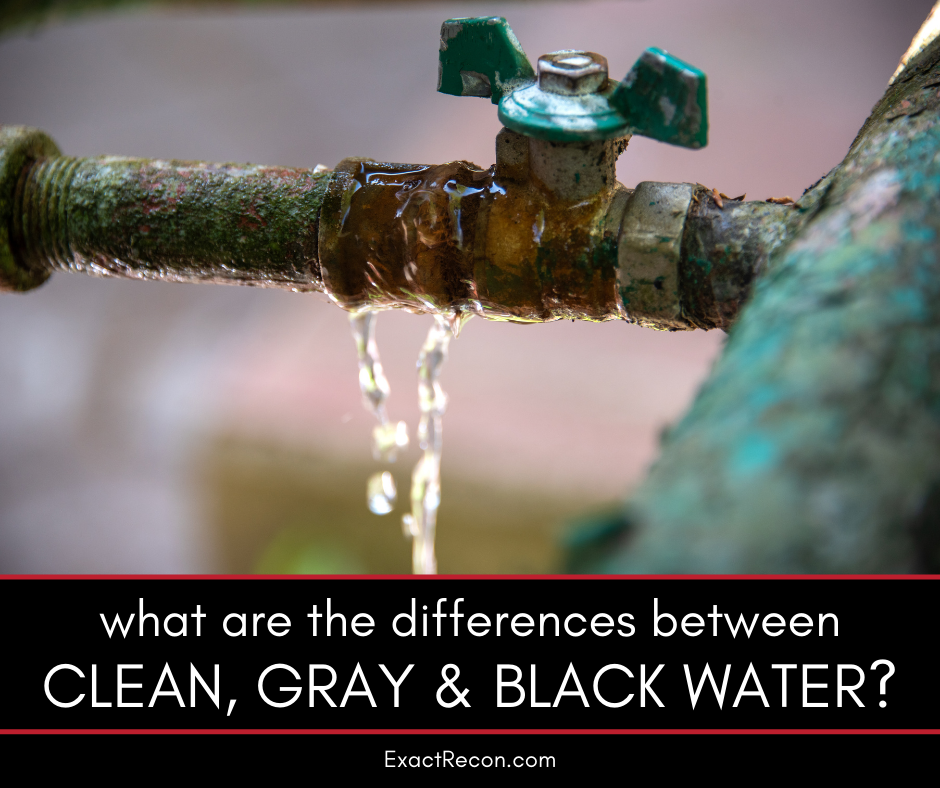
Water damage in your home can come from various sources, but not all water is the same. The type of water—clean, gray, or black—determines the severity of the damage and the steps required for cleanup. Understanding these categories is crucial for protecting your home and health. This guide explains the differences between clean, gray, and black water and how to handle each type effectively.
The Differences Between Clean, Gray, and Black Water
Water damage can range from minor leaks to extensive flooding, and the type of water involved impacts the cleanup process. This guide covers:
- What clean water is and how to handle it
- The risks associated with gray water
- Why black water requires professional remediation
- Steps to protect your home and health
Here’s a closer look at each.
What Clean Water Is and How to Handle It
Clean water, also known as Category 1 water, comes from uncontaminated sources such as broken pipes, rainwater, or overflowing sinks. This type of water is free from harmful bacteria, making it the least hazardous of the three categories.
If addressed quickly, clean water damage is often manageable without professional help. However, even clean water can cause significant damage if left untreated, leading to mold growth or structural issues. Use a wet/dry vacuum or towels to remove standing water, and thoroughly dry the affected area with fans and dehumidifiers to prevent secondary damage.
The Risks Associated With Gray Water
Gray water, or Category 2 water, is moderately contaminated and may pose health risks. It comes from sources like washing machines, dishwashers, or showers. Gray water often contains detergents, grease, or other chemicals that can irritate skin and eyes.
Cleaning gray water requires caution. Wear protective gloves and avoid direct contact with the water. Remove the water promptly and sanitize all affected surfaces to prevent bacterial growth. If the damage is extensive or involves porous materials like carpets, professional assistance may be necessary to ensure proper cleanup.
Why Black Water Requires Professional Remediation
Black water, or Category 3 water, is highly contaminated and poses serious health risks. This water comes from sewage backups, flooding from rivers or streams, or any water that has been in contact with harmful chemicals or human waste. Black water often carries bacteria, viruses, and other pathogens that can cause severe illnesses.
Due to the hazardous nature of black water, professional remediation is essential. At Exact Recon, we specialize in handling water damage caused by black water. Our team uses advanced equipment and techniques to safely remove contaminated water, sanitize affected areas, and restore your home to a safe condition. Attempting to clean black water yourself can expose you to harmful contaminants and worsen the damage.
Steps to Protect Your Home and Health
Regardless of the type of water damage, taking immediate action is crucial. Follow these steps to protect your home and health:
- Identify the water source: Determine whether the water is clean, gray, or black to plan the appropriate response.
- Turn off utilities: Shut off electricity and water supply to the affected area to prevent further damage or hazards.
- Avoid direct contact: Use protective gear, such as gloves and boots, when handling gray or black water.
- Document the damage: Take photos and videos for insurance purposes before beginning cleanup.
- Call professionals for black water: Contact Exact Recon for expert assistance with black water or extensive damage from any category.
When to Call Exact Recon for Water Damage Restoration
Water damage can escalate quickly, especially if gray or black water is involved. At Exact Recon, we provide comprehensive water damage restoration services, including:
- Water extraction and drying
- Sanitization and mold prevention
- Structural repairs and restoration
We also work directly with your insurance company to streamline the claims process, giving you peace of mind during a stressful time. Trust our team to handle the cleanup and restore your home to its original condition.
FAQ About Clean, Gray, and Black Water
Check out these commonly asked questions about clean, gray, and black water. If you don’t see your question here, please call our office and we’ll find you the answers you need.
What Happens If Clean Water Is Left Untreated?
Even clean water can lead to mold growth, structural damage, and other issues if not dried promptly. Act quickly to prevent secondary damage.
Is Gray Water Dangerous?
Gray water can pose health risks due to moderate contamination. Always wear protective gear when cleaning gray water, and sanitize affected areas thoroughly.
Can I Clean Black Water Damage Myself?
No, black water contains harmful pathogens and chemicals that require professional remediation to ensure safety.
How Can I Prevent Water Damage?
Regularly inspect your home for leaks, maintain appliances, and ensure proper drainage around your property to reduce the risk of water damage.
Does Insurance Cover Black Water Damage?
Many homeowner’s insurance policies cover water damage, including black water, if it results from a covered event like a burst pipe or natural disaster. Check your policy for details.
Understanding the differences between clean, gray, and black water can help you take the right steps to protect your home and health. For expert water damage restoration, trust Exact Recon to handle the cleanup and get your home back to normal.
Do You Need a Disaster Remediation Expert in Washtenaw County or Jackson County?
If your home has already been damaged, we can help. Check out our services and get a free disaster remediation quote today. We offer:
- Water damage restoration
- Fire damage restoration
- Mold removal and remediation
- Fire and smoke restoration
- Sewer cleanup and disinfecting
- Reconstruction
- Wind and storm damage repair


