A sewage backup is one of the most serious types of home damage. It can flood your home with contaminated water, damage your belongings, and cause health hazards. Cleaning it up the right way not only restores your home but can also reveal hidden plumbing issues that need repair.
Sewage Backup Cleanup and What It Reveals about Plumbing
Water damage from sewage backups is classified as “black water” damage because it carries bacteria, viruses, and waste. Cleaning it requires protective equipment, disinfecting agents, and professional-grade tools. This guide explains the following:
-
Why sewage backup cleanup is different
-
Health risks of sewage exposure
-
Steps professionals take to clean sewage backups
-
Plumbing issues revealed by sewage backups
-
When to call for professional restoration
Here’s a closer look at each.
Why Sewage Backup Cleanup Is Different
Sewage water isn’t just dirty—it’s contaminated. Unlike clean water from a pipe break, sewage backup can soak into walls, floors, and furniture while leaving harmful germs behind.
Because of the health risks, sewage cleanup almost always requires removing and discarding porous items like carpet, mattresses, or soaked drywall. Anything salvageable needs deep cleaning and disinfection.
Health Risks of Sewage Exposure
According to the Centers for Disease Control and Prevention, sewage can carry bacteria such as E. coli, viruses like Hepatitis A, and parasites that can make you sick.
Touching sewage water without protection or breathing near contaminated areas puts you at risk for infections, respiratory issues, and stomach illnesses. This is why professional cleanup is necessary.
Steps Professionals Take to Clean Sewage Backups
Restoration experts use specialized pumps to remove standing water. Then they disinfect affected surfaces with commercial cleaning agents. Industrial fans and dehumidifiers dry the space to prevent mold.
Porous materials like carpet or insulation that came into contact with sewage are usually discarded. Professionals finish the process by checking for hidden moisture that could cause long-term problems or require mold remediation.
Plumbing Issues Revealed by Sewage Backups
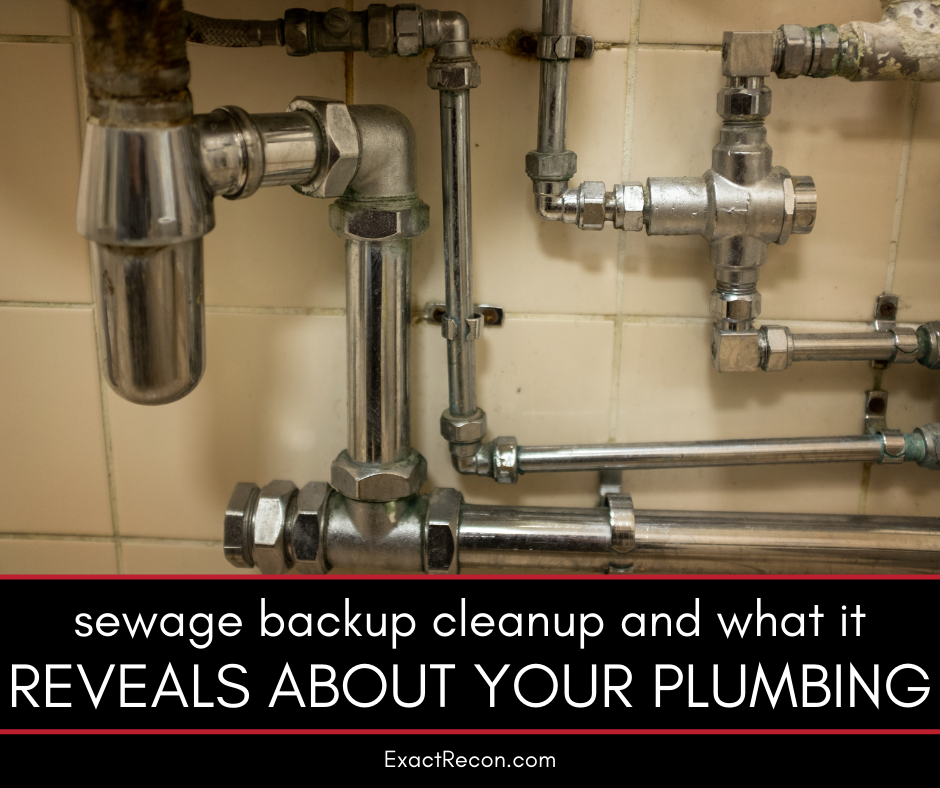
A sewage backup often points to bigger plumbing problems. Common issues include:
-
Clogged sewer lines: Blockages from grease, wipes, or debris
-
Tree root intrusion: Roots breaking into pipes and blocking flow
-
Damaged or collapsed pipes: Old or corroded plumbing that needs replacement
-
Overloaded systems: Heavy rain or storm damage overwhelming city sewers
Cleanup gives professionals a chance to inspect your system and identify the cause. Fixing these problems helps prevent future backups.
When to Call for Professional Restoration
Never attempt full sewage cleanup on your own. The risks are too high and the damage too severe. Call a restoration company that handles disaster cleanup to remove contaminated water safely.
Experts can also coordinate with plumbers to solve the underlying cause. That way, you’re not just fixing the damage—you’re preventing the next backup.
FAQ About Sewage Backup Cleanup
Check out these commonly asked questions about sewage backup cleanup. If you don’t see your question here, please call our office and we’ll find you the answers you need.
How Dangerous Is Sewage Backup in a Home?
Sewage backup is extremely dangerous. It carries bacteria, viruses, and waste that can make you sick even with brief exposure.
Can I Clean Sewage Water Myself?
No. Protective equipment and disinfecting tools are needed. It’s unsafe to attempt cleanup without professional help.
Does Insurance Cover Sewage Backup Cleanup?
Some policies include sewage backup coverage, but many require a separate rider. Check your policy or call your provider for details.
What Plumbing Problems Usually Cause Sewer Backups?
Clogged pipes, tree root intrusion, damaged sewer lines, and overloaded systems are the most common causes.
How Fast Should I Call Professionals after a Sewage Backup?
Immediately. The longer sewage water remains, the more damage it causes and the higher the health risk becomes.
Sewage backups are messy, dangerous, and stressful, but they also reveal important plumbing issues that need attention. Acting quickly, calling professionals, and fixing the cause helps protect your home and reduces the chance of it happening again.
Do You Need a Disaster Remediation Expert in Washtenaw County or Jackson County?
If your home has already been damaged, we can help. Check out our services and get a free disaster remediation quote today. We offer: