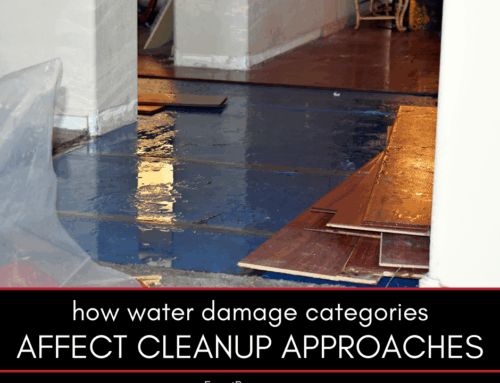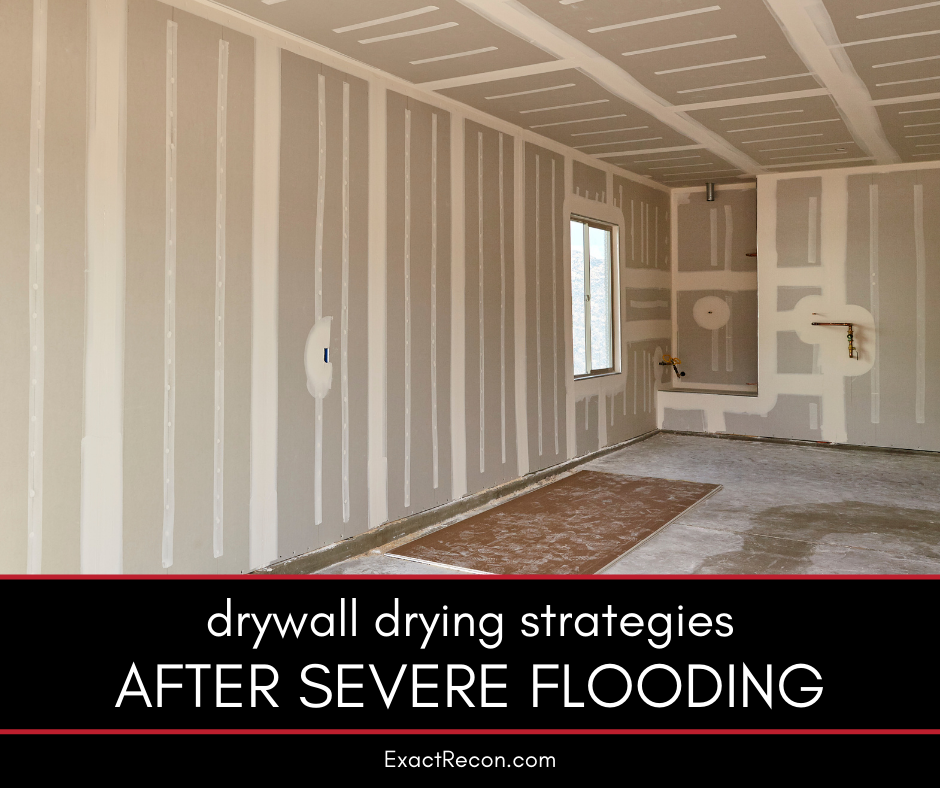
When flooding enters your home, drywall absorbs water like a sponge. Left untreated, it can warp, crumble, or grow mold. Knowing how to dry drywall quickly and safely helps you decide what can be saved and what needs replacement.
Drywall Drying Strategies for Severe Flooding
Water damage from broken pipes, storms, or sewer backups often affects drywall first. Because drywall is porous, it soaks up water quickly and can hide moisture inside walls. This guide explains the following:
-
Assessing drywall after flooding
-
Drying methods for wet drywall
-
When to remove and replace drywall
-
Preventing mold during drywall drying
-
Professional help for drywall restoration
Here’s a closer look at each.
Assessing Drywall after Flooding
Start by checking how high the water reached. If the flooding was from clean water and only affected drywall slightly above the baseboard, drying may be possible. If the water was dirty or from sewage, replacement is almost always required.
Press gently on the wall. If it feels soft, crumbly, or swollen, the drywall is too damaged to save. Look for discoloration and stains, which often mean water has spread deeper.
Drying Methods for Wet Drywall
Use industrial fans and dehumidifiers to speed evaporation. Place fans close to the wall and run them continuously. Air movers are especially effective because they push high-velocity air directly across surfaces.
Remove baseboards and drill small holes near the floor to let trapped water drain and airflow reach inside the wall cavity. Always monitor the area with a moisture meter to make sure the drywall is drying evenly.
When to Remove and Replace Drywall
If drywall is wet more than a few inches above the floor, it often needs replacement. Cut out the damaged section at least 12 inches above the water line to ensure all wet material is removed.
Drywall exposed to storm damage or sewage should be replaced immediately. Contaminated water carries bacteria and chemicals that can linger even after drying.
Preventing Mold during Drywall Drying
Mold can begin forming within 24 to 48 hours of water exposure. Keep fans and dehumidifiers running until the drywall is completely dry. Watch for musty odors and discoloration, which are early signs of mold growth.
If mold appears, stop and call for mold remediation. Once mold spreads inside drywall, it’s difficult to remove without cutting out the affected area.
Professional Help for Drywall Restoration
Drywall drying is often more complicated than it looks. Professionals use specialized tools to measure hidden moisture and equipment powerful enough to dry walls quickly. They also know when drywall can be saved and when reconstruction is the better option.
Restoration experts handle more than just drywall. They also provide disaster cleanup, fire damage, and smoke damage, ensuring your home is safe and livable again.
FAQ About Drywall Drying
Check out these commonly asked questions about drywall drying. If you don’t see your question here, please call our office and we’ll find you the answers you need.
How Long Does It Take to Dry Drywall after Flooding?
With industrial fans and dehumidifiers, drywall can take three to five days to dry. Severe flooding may take longer.
Can Drywall Be Saved after Flooding?
Yes, if the water exposure was minimal and clean. If drywall is saturated or exposed to dirty water, it usually needs replacement.
Should I Cut Holes in My Walls to Help Drying?
Yes, small holes near the baseboard let air flow into wall cavities and speed drying. Professionals often handle this to prevent unnecessary damage.
Does Wet Drywall Always Grow Mold?
Not always, but the risk is high. If drywall isn’t dried within 24 to 48 hours, mold may begin to form inside the wall.
When Should I Call Professionals for Drywall Drying?
Call immediately if water reached several inches up the wall, if sewage was involved, or if you notice signs of mold. Professionals can prevent larger problems and save more of your home.
Drywall doesn’t hold up well against flooding, but quick action can sometimes save it. By drying walls properly, cutting out what can’t be saved, and calling experts when needed, you can prevent mold and structural damage while protecting your home’s safety.
Do You Need a Disaster Remediation Expert in Washtenaw County or Jackson County?
If your home has already been damaged, we can help. Check out our services and get a free disaster remediation quote today. We offer: