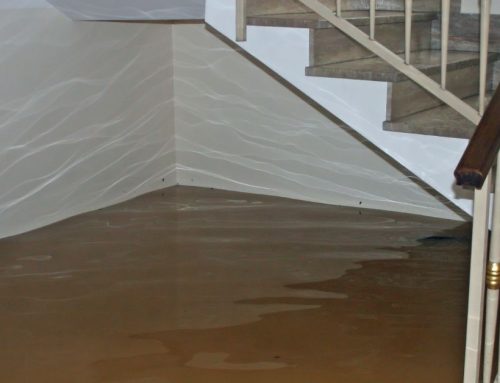
Standing Water in Your Basement: Risks, Responses, and Next Steps
Water in a basement rarely remains a small problem. A puddle after heavy rain can turn into mold growth, foul air, and swollen framing within a day. The longer that water sits, the higher your health risk and repair costs climb.
Across Southern Michigan, we see this pattern every season. Spring thaw cycles saturate the ground around foundations, summer storms overwhelm drainage, and a single sump pump failure during a power outage can flood a finished lower level overnight.
This guide gives you the answers you need right now:
- Why standing water in a basement turns dangerous so quickly
- The real health risks tied to mold, sewage, and contaminated water
- What to do in the first hour after finding water in your basement
- When DIY cleanup stops being safe, and what professional help involves
Why Basement Water Damage Escalates So Fast
Basements sit at the lowest point of your home, so water collects there first. They also tend to be dark, humid, and poorly ventilated, which creates ideal conditions for mold and bacteria to thrive.
Once water enters, the damage moves fast. Drywall wicks moisture upward. Wood framing swells. Insulation soaks through and stops working. Mold can begin forming within 24 to 48 hours.
The water you see isn’t the whole story. Hidden moisture travels behind baseboards, under flooring, and inside wall cavities long after the visible pool disappears. That trapped moisture keeps feeding mold and foundation damage.
The Real Health Risks of Standing Water in a Basement
Standing water threatens your health in ways many homeowners underestimate. The danger depends heavily on where the water comes from and how long it lingers.
Mold and Indoor Air Quality
Mold is the most common health hazard tied to basement moisture. As spores spread, they travel through your home’s air and ventilation. People with asthma, allergies, or weakened immune systems usually feel the effects first.
Common basement mold health risks include coughing, congestion, headaches, respiratory irritation, and skin reactions. Poor indoor air quality can linger for weeks when the moisture source isn’t fully dried. The U.S. Environmental Protection Agency confirms that controlling moisture is the single most important step in preventing mold, which is exactly why thorough drying matters more than surface cleanup.
Contaminated Water, Black Water, and Sewage Backup
Not all basement water carries the same risk. A clean supply-line leak is one thing. Water from a sewage backup or storm runoff is far more dangerous.
Contaminated water, often called black water, carries bacteria, viruses, and other pathogens. Exposure can cause serious illness. The Centers for Disease Control and Prevention advises that floodwater and sewage require protective equipment and careful handling, not a mop and bucket.
Never wade into water that smells foul or looks murky. These situations call for professional sewage cleanup and 24/7 disinfecting to make the space safe again.
Structural and Electrical Hazards
Prolonged moisture rots wood, corrodes fasteners, and stresses foundations. Standing water near outlets or appliances also creates a real risk of electrical shock.
If you can safely reach your electrical panel, cut power to the affected area. If reaching it means stepping into water, wait for professionals. The Federal Emergency Management Agency reinforces treating standing water and electricity with extreme caution.
What Most Basement Cleanup Advice Gets Wrong
A lot of online advice tells you to mop up the water, run a fan, and open a window. That approach misses the most important part of the problem.
Visible drying isn’t structural drying. A dry-looking floor can hide saturated framing, wet insulation, and elevated humidity inside walls. Without moisture detection tools, that hidden water keeps damaging materials and feeding mold.
A dehumidifier alone may not solve it. Dehumidification helps, but it can’t reach water trapped deep in building materials. Real recovery pairs dehumidification with air movement, emergency water extraction, and targeted structural drying.
Contamination changes everything. Many guides ignore water category entirely. Clean water, gray water, and black water each demand a different response, and treating contaminated water like a simple spill puts your health at risk.
Local weather shifts the risk. Southern Michigan’s freeze-thaw cycles, storm runoff, and sump pump strain during outages create recurring intrusion patterns that generic national advice never addresses.
Basement Water Sources and Smart Next Steps
Use this table to gauge severity and decide what to do next.
| Water Source | Likely Risk | Hidden Damage That May Follow | Smartest Next Step |
|---|---|---|---|
| Small clean leak, caught early | Low to moderate | Moisture wicking into walls and subfloor | Extract, then verify with moisture detection |
| Storm or groundwater intrusion | Moderate to high | Outdoor bacteria, hidden humidity, mold | Avoid contact, call for professional extraction |
| Sewage backup or black water | High | Pathogen spread, contaminated materials | Leave the area, call for sewage cleanup |
| Water sitting 24-plus hours | High | Mold growth, swollen framing, foul odor | Book structural drying and mold remediation |
| Water near outlets or panel | Severe | Electrical shock, damaged wiring | Cut power safely or call a professional |
What to Do in the First Hour After Finding Water in Your Basement
Act quickly, but put safety first. Follow these steps in order.
- Stay safe. Avoid contact with any water that looks or smells contaminated, and steer clear of standing water near outlets.
- Cut the power. If you can reach the panel without stepping into water, shut off electricity to the affected area.
- Stop the source. Shut off a burst supply line or failing appliance if you can do so safely.
- Document everything. Photograph the water level, damaged items, and affected areas for your insurance claim documentation.
- Move valuables.Relocate furniture, electronics, and important papers to a dry space.
- Call for help. Contact a certified restoration team for professional flooded basement cleanup.
When DIY Cleanup Stops Being Safe
Some minor, clean-water situations are manageable on your own. Many aren’t. Stop and call professionals when any of these apply:
- The water involves sewage backup, black water, or a foul odor
- Standing water sits near electrical outlets, wiring, or your panel
- The water has been present for more than 24 hours
- You see or smell mold, or family members report respiratory irritation
- Finished walls, insulation, or flooring are soaked through
- The intrusion covers a large area or keeps returning after storms
This guidance reflects restoration best practices used by professionals across the industry. Severe contamination and health symptoms should always be reviewed by qualified restoration and medical professionals.
What Professional Flooded Basement Cleanup Actually Includes
Real restoration goes far beyond removing the water you can see. Here’s how our certified team approaches water damage restoration from start to finish.
- Rapid response and assessment: We arrive fast, identify the source, and classify the water category.
- Emergency water extraction: We pump out standing water with industrial-grade equipment.
- Moisture detection: We use meters and thermal imaging to find water hiding behind walls and under floors.
- Structural drying and dehumidification: We deploy air movers and commercial dehumidifiers to draw moisture from framing, subfloors, and cavities.
- Cleaning and disinfecting: We treat surfaces to eliminate bacteria and prevent mold.
- Mold remediation: We contain and remove existing mold when it’s present.
- Reconstruction: We rebuild what the water destroyed.
Skipping any of these steps, especially moisture detection and structural drying, leaves the door open for mold and structural damage to return weeks later.
How Exact Recon Restores Southern Michigan Homes and Peace of Mind
Water intrusion doesn’t wait, and neither do we. Our team serve homeowners, landlords, property managers, and commercial decision-makers across Jackson County, Washtenaw County, and surrounding communities, including Ann Arbor, Jackson, Chelsea, Dexter, Grass Lake, Ypsilanti, and Michigan Center.
We find the solution to the problem. Standing water calls for extraction. Hidden moisture calls for structural drying and dehumidification. Contamination calls for sewage cleanup and disinfecting. Damaged walls, flooring, and framing call for full reconstruction and repair.
Our complete damage restoration services cover water, sewage, and storm and wind damage under one roof, with 24/7 emergency response. We also help document your loss for insurance and coordinate with major regional insurers, including Auto-Owners, State Farm, AAA, Frankenmuth Insurance, and Allstate.
This guidance reflects the hands-on perspective of restoration professionals who respond to basement water emergencies across Southern Michigan every season.
Act Before the Damage Spreads | Contact Exact Recon Today
Basement water damage never improves on its own. Every hour standing water sits, your health risk and repair costs grow. The fastest route to a safe, dry home is a quick, professional response.
Don’t gamble with mold, contaminated water, or hidden structural damage. Call Exact Recon now at (517) 262-3770. We’ll extract the water, dry your home the right way, and restore both your property and your peace of mind.
Frequently Asked Questions About Basement Water Damage
Is Standing Water in a Basement a Health Hazard?
Yes. Standing water in a basement can grow mold within 24 to 48 hours and may carry bacteria when it’s contaminated. It also creates electrical hazards and weakens your home’s structure. The longer it sits, the greater the risk to your health and property.
How Long Before Mold Grows After a Basement Floods?
Mold can begin forming within 24 to 48 hours of a flood. Warm, humid, poorly ventilated basements speed up growth. Fast water extraction, structural drying, and dehumidification are your best defenses against a mold outbreak.
Can I Clean Up Basement Water Myself?
Small, clean-water situations may be manageable. Stop and call professionals when the water is contaminated, sitting near electricity, present for more than 24 hours, or soaking finished materials. When in doubt, choose professional flooded basement cleanup.
When Is Basement Water Considered Contaminated?
Basement water is contaminated when it involves sewage backup, storm runoff, or standing water that smells foul or looks murky. This black water carries bacteria and viruses. Avoid contact and call for professional cleanup and disinfecting.
Will a Dehumidifier Fix Basement Water Damage?
Not on its own. A dehumidifier reduces humidity, but it can’t reach moisture trapped inside walls, framing, and subfloors. Proper recovery combines extraction, moisture detection, structural drying, and dehumidification together.
Does Insurance Cover Basement Water Damage in Michigan?
Coverage depends on your policy and the cause of the damage. Many homeowner policies cover sudden events like burst pipes or storm damage. We help document your loss and coordinate with major Southern Michigan insurers to support your claim.
Should Wet Drywall Be Replaced After Basement Flooding?
Often, yes. Drywall soaks up water fast, holds moisture, and can grow mold inside the wall. Clean water caught early may dry with professional equipment, but saturated or contaminated drywall usually needs removal and basement water damage repair.
Disclaimer: This article is for educational purposes only and isn’t medical, legal, or insurance advice. Sewage, black water, electrical hazards, and health symptoms require evaluation by qualified restoration and medical professionals. When in doubt, contact certified experts right away.