Water damage can strike unexpectedly and wreak havoc on your home, leading to costly repairs and potential health hazards if not addressed promptly. Whether it’s due to a burst pipe, a leaking roof, or a flood, taking immediate action is crucial to minimize the damage and prevent further complications. In this blog post, we’ll guide you through the essential steps to take when faced with home water damage, helping you initiate the recovery process efficiently.
- Ensure Safety First: Before diving into any water damage restoration tasks, prioritize your safety and that of your family. Identify potential hazards such as electrical issues, structural damage, or contaminated water. If there are electrical appliances or outlets in contact with water, turn off the main power supply to the affected area. Also, exercise caution when walking on wet surfaces to avoid slips and falls.
- Stop the Water Source: If the water damage is caused by a burst pipe, leaking appliance, or any other identifiable source, your priority should be to stop the water flow. Locate the shut-off valve for the affected area or, if necessary, shut off the main water supply to your home. Taking this action swiftly will help prevent further water damage and potential flooding.
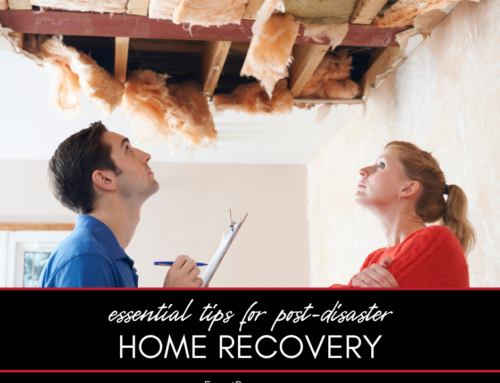
- Document the Damage: While it may be distressing to witness water damage in your home, it’s important to document the extent of the damage for insurance purposes. Use your smartphone or camera to take clear photographs or videos that capture the affected areas from different angles. This visual evidence will be valuable when filing an insurance claim and seeking compensation for repairs and restoration.
- Call the Experts: Water damage restoration is a complex process that requires expertise, specialized equipment, and thorough knowledge. Contact ExactRecon to assess the extent of the damage, we can be there oftentimes within 1 hour! Not only will we call the insurance company for you and handle your claim, our team of professionals has the necessary tools and experience to handle the drying, cleaning, and repair processes effectively. Act promptly, as delayed action can lead to mold growth and further structural damage.
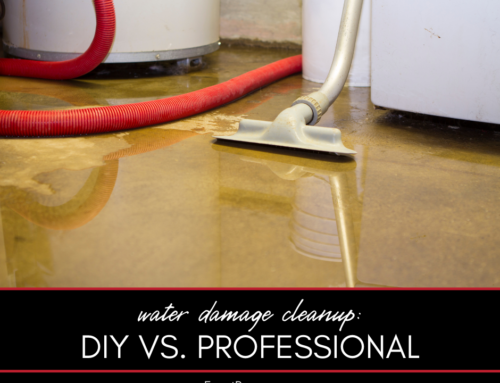
- Mitigate Further Damage: While waiting for professional help to arrive, you can take some initial steps to mitigate further damage. If it’s safe to do so, remove any items or furniture from the affected area to prevent them from absorbing excess water or becoming permanently damaged. Place plastic sheets or tarps on the floor to protect unaffected areas from water seepage. Use mops, towels, or a wet-dry vacuum to remove standing water. Open windows and doors to improve ventilation and aid in drying.
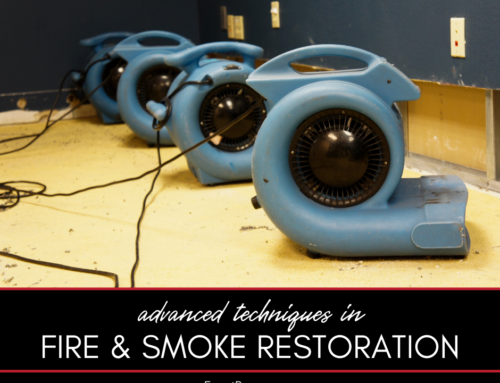
- Ensure Proper Drying and Cleaning: Once the restoration professionals arrive, they will initiate the drying and cleaning process. Using high-powered drying equipment such as dehumidifiers and air movers, they will extract moisture from the affected areas, including walls, floors, and furniture. It’s crucial to eliminate all moisture to prevent mold growth and secondary damage. Professional cleaners will sanitize and disinfect surfaces to eliminate any contaminants and restore a safe and healthy living environment.
Facing water damage in your home can be a stressful experience, but by taking swift and decisive action, you can mitigate the damage and initiate the recovery process effectively. Prioritize safety, stop the water source, document the damage, and contact your insurance company and professional restoration services promptly. By following these crucial steps, you’ll be well on your way to restoring your home and returning to normalcy. Remember, time is of the essence.